Pregnancy isn't a single experience — it's three. The body changes you feel in week 8 are different from week 20, which are different again from week 36. The chiropractic care that supports you through each stage should change with you.
At Authority Chiropractic, we adjust our approach as your body adjusts. Here's what that looks like trimester by trimester — what's happening physically, what we focus on, and what to expect from each visit.
First trimester: nausea, fatigue, and the body's first big shift.
The first trimester is mostly invisible from the outside. Internally, it's one of the biggest hormonal and physiological shifts of your life. Relaxin starts circulating, which begins loosening ligaments — not significantly yet, but enough to start changing how your joints move. Blood volume begins increasing. The nervous system gets pulled in new directions to support implantation and early development.
What patients commonly experience. Fatigue that doesn't make sense. Nausea (sometimes constant). Headaches. Lower back stiffness from changes in posture and ligament laxity. Mood shifts driven by hormonal changes affecting the nervous system.
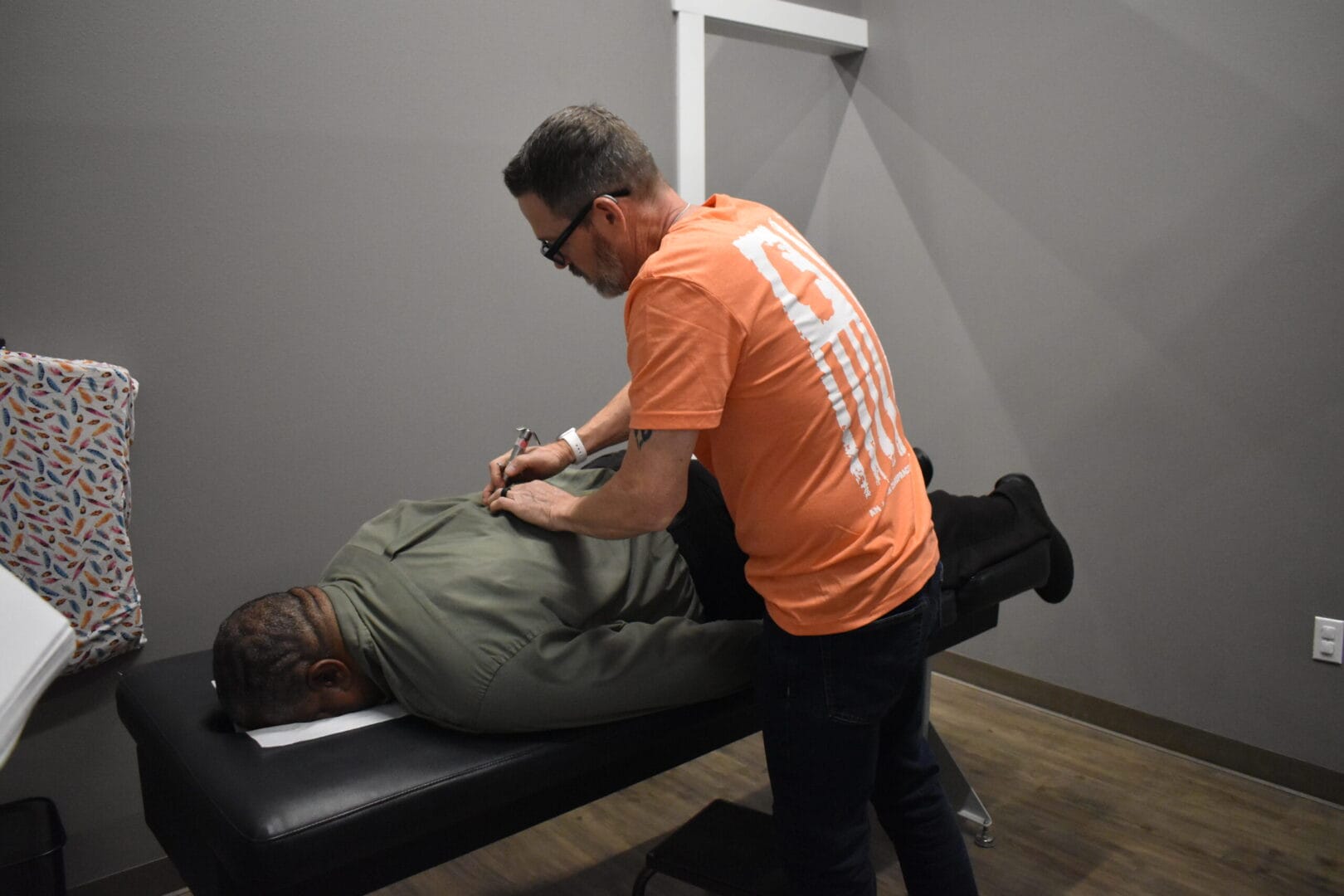
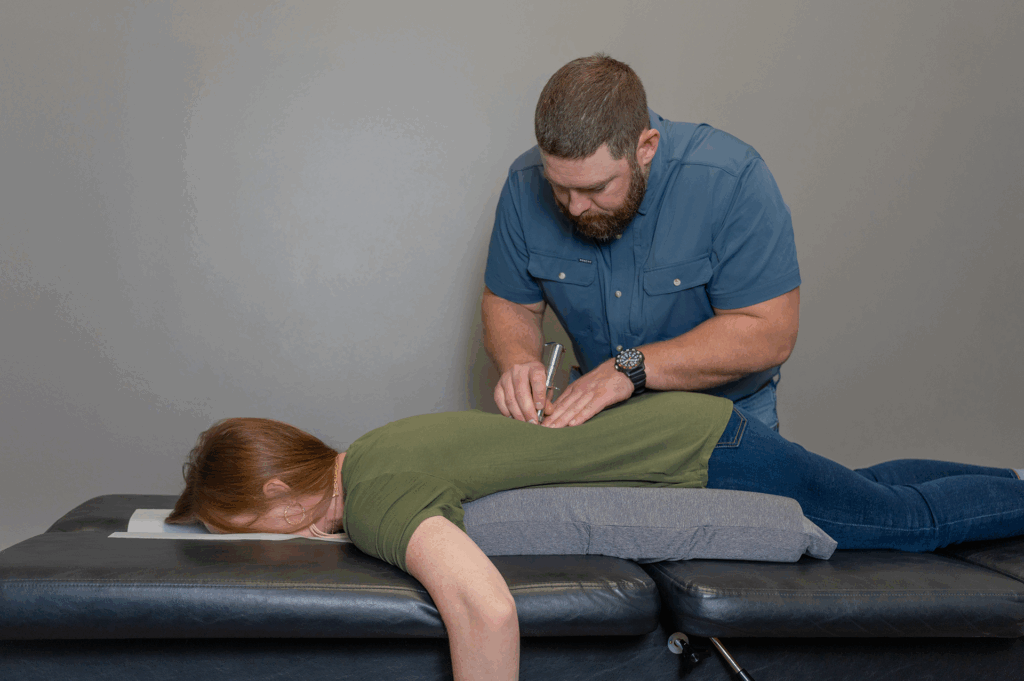
What we focus on in care. Gentle, low-force adjustments using Torque Release Technique — no twisting, no cracking, no pressure on the abdomen. We use side-lying positioning so you're never face-down. The focus is on supporting the autonomic nervous system through the early hormonal shifts and addressing any pre-existing patterns before they're amplified by later changes.
Many patients tell us their care during the first trimester helps with nausea, sleep, and the general fog that often comes with the first 12 weeks.
Second trimester: the body changes you can see.
For most patients, the second trimester is the most comfortable phase of pregnancy. Energy returns. Nausea often resolves. The bump becomes visible. But the structural changes accelerate too — by the end of the second trimester, your center of gravity has shifted forward significantly, the lumbar curve has deepened, and the pelvis is preparing for the bigger changes ahead.
What patients commonly experience. Lower back pain that wasn't there before. Hip discomfort, especially while sleeping. Round ligament pain (sharp, brief stretches in the lower abdomen). Sciatic-type symptoms as the growing uterus puts pressure on nearby nerves. Tension in the upper back and neck from compensating for the postural shift.
What we focus on in care. Pelvic balance becomes a priority. As the pelvis prepares for delivery, asymmetries that were minor pre-pregnancy can become significant — affecting comfort now and potentially affecting how the baby positions later. We use Webster-trained adjustments specifically designed to support pelvic balance during pregnancy. Sacroiliac joints, lumbar spine, and the pelvic ligaments all get attention.
Visits are generally more focused, often slightly longer, and use modified positioning (side-lying with pregnancy bolsters) for comfort.
Third trimester: preparing for delivery.
The third trimester is where pregnancy becomes physically demanding. The baby gains most of their weight in this stage. Sleep gets harder. Everyday movements (getting up from a chair, putting on shoes) become projects. The body is preparing to give birth, and that preparation is taxing on every system.
What patients commonly experience. Significant lower back and hip pain. Pubic symphysis pain (sharp pain in the front of the pelvis). Heartburn. Difficulty sleeping in any position. Swelling in the feet and lower legs. Anxiety about the upcoming birth. Braxton Hicks contractions that can be intense.
What we focus on in care. Maintaining pelvic balance becomes critical — both for your comfort and for giving the baby room to position optimally. The Webster Technique is most often associated with the third trimester for this reason. We continue gentle adjustments, careful positioning, and may suggest specific exercises or stretches to support whatever your body is dealing with that week.
Many patients increase visit frequency in the third trimester. The body changes faster, the discomfort is more present, and consistent care helps you stay ahead of it.
Webster Technique is a specific chiropractic adjustment for pregnant women, focused on pelvic balance. It's not a "breech turning" technique (despite some confusion online), but balanced pelvic alignment can give a baby better room to find optimal position naturally. Always discuss positioning concerns with your OB or midwife.
Fourth trimester: postpartum recovery.
The fourth trimester is the first 12 weeks after delivery. Bodies that took 9 months to change don't reset overnight. Pelvic ligaments are still loose. The abdominal wall is recovering. Whatever positioning you used during labor (or whatever surgery you had) left its mark. Sleep is broken. You're carrying a baby who keeps getting heavier — and usually carrying them on the same side every time.
What patients commonly experience. Persistent lower back pain. Wrist pain (the famous "mommy thumb" from breastfeeding positioning). Neck and upper back tension from nursing. Pelvic floor issues. Fatigue compounded by interrupted sleep. C-section recovery if applicable.
What we focus on in care. Helping the body return to balance — not by forcing it, but by supporting the natural restoration process. We address the new patterns created by daily caregiving (one-side carrying, nursing positions, broken sleep). We work gently with the postpartum pelvis as ligaments retighten over weeks and months.
Postpartum care often runs longer than people expect, because the body is doing real work for months after birth. The good news: addressing things early is much easier than addressing them years later when patterns have set in.
What to ask your OB or midwife.
Before starting prenatal chiropractic care, talk to your OB or midwife. Most are supportive — chiropractic is widely considered safe for healthy pregnancies — but it's good practice to keep them in the loop. If you have a complicated pregnancy (placenta previa, severe preeclampsia, certain other conditions), there are situations where adjustments need to be modified or paused.
We work with several OBs and midwives across San Antonio and are happy to coordinate care.
If you're pregnant and considering chiropractic.
Whether you're in the first trimester or the third — or postpartum and trying to put your body back together — we'd be glad to help. Our care is gentle, individualized, and adjusts as your body adjusts.
Call (210) 343-5209 or book online. The first visit is a real evaluation — we'll talk through where you are in your pregnancy, what you're feeling, and what care could look like for the rest of your pregnancy and beyond.